


- About us
- Services
- E-Commerce Development
- White Label Marketing
- Digital Marketing
- Mobile App Development
- Other Services
-


So, you’re thinking about getting a website for your medical practice, huh? It’s a big step, and honestly, it’s more than just having an online brochure. Your website is often the very first place a potential patient checks you out. It needs to look good, feel trustworthy, and make it easy for people to find what they need, whether that’s your services, contact info, or how to book an appointment. Getting the medical practice website development right means making a good first impression and helping your practice grow. Let’s break down how to make that happen.
In today’s world, your medical practice’s website is often the very first point of contact a potential patient has with your clinic. It’s not just a digital brochure; it’s a vital tool for attracting new patients, keeping current ones informed, and building trust. Developing a solid strategy for your website means thinking about what patients need and how your practice can best meet those needs online. This isn’t just about looking good; it’s about making things easy for people seeking care and making sure your practice stands out.
Think about it: when you need a doctor, what’s one of the first things you do? You probably hop online to find one. Your website is your digital front door. A poorly designed or outdated site can make people click away and find a competitor, no matter how good your actual medical services are. A well-designed medical website, on the other hand, makes a strong first impression. It shows professionalism and care, which can directly influence a patient’s decision to choose your practice. It’s about making sure that digital first impression translates into a real-world appointment.
What actually makes a medical website work well? It’s a mix of things that help patients find what they need quickly and easily.
A website that’s easy to use and provides the information patients are looking for is more than just a convenience; it’s a sign of a well-run, patient-focused practice.
For clinics and healthcare providers, a good website isn’t a luxury, it’s a necessity for growth. It acts as a 24/7 information hub and a powerful marketing tool. When patients can easily find your services, learn about your doctors, and even book appointments online, it streamlines their experience and yours. This ease of access can lead to more appointment requests and a stronger connection with your community. Ultimately, a strategic approach to medical website design directly impacts patient acquisition and retention.
Think about the last time you looked for a doctor online. What made you click on one practice over another? Chances are, it wasn’t just the services offered. It was how the website made you feel. A medical website needs to feel professional, easy to use, and trustworthy from the moment someone lands on it. It’s like walking into a clinic – you want it to be clean, organized, and welcoming.
Your website is often the very first impression a potential patient has of your practice. If it looks outdated, cluttered, or unprofessional, it can send the wrong message. People want to feel confident that they’re choosing a competent and caring healthcare provider. A clean, modern design with high-quality images and clear information about your doctors and their credentials goes a long way.
Here’s what helps build that trust:
A website that looks like it was put together quickly or without much thought can make patients question the quality of care they might receive. It’s a digital handshake, and you want it to be firm and reassuring.
Once you’ve got someone’s attention, you need to make it easy for them to find what they need. Imagine trying to find a specific form or a doctor’s contact number on a confusing website – it’s frustrating. Good navigation means patients can quickly locate services, appointment booking options, directions, and contact information without getting lost.
Consider these points for a better patient journey:
Let’s face it, most people are using their phones for everything these days, including looking up healthcare providers. If your website doesn’t look good or work well on a smartphone or tablet, you’re missing out. Mobile responsiveness means your site automatically adjusts to fit any screen size, providing a good experience no matter the device.
Here’s why it matters:
If your website isn’t adapting to different screens, it’s like having a locked door for a significant portion of your potential patients.
Think of your medical practice website as your digital front door. If people can’t find it, or if it’s hard to get through, they’ll just go somewhere else. That’s where making your site visible comes in. It’s not just about having a website; it’s about making sure the right patients can find you when they need you.
Getting your website to show up when people search for healthcare services is a big deal. Search engines like Google look at a bunch of things to decide which sites to show first. Making your site easy for search engines to understand and rank is what SEO is all about. This means using the right words, making sure your site loads fast, and showing up when people search locally.
Your practice probably offers different services, right? Like general check-ups, specialized treatments, or maybe even cosmetic procedures. Each of these services needs its own spotlight online. When you create a page specifically for, say, “pediatric care,” you want that page to show up when parents search for “pediatrician near me.” This involves using keywords related to that specific service, explaining it clearly, and making sure the page is easy for both patients and search engines to read. It’s like giving each service its own little billboard on the internet.
Most patients look for healthcare providers in their local area. That’s why local SEO is so important. It’s about making sure your practice appears when someone searches for “doctor in [your town]” or “clinic on [your street].” This involves things like:
When your website is optimized for local searches, you’re not just getting more website visitors; you’re getting more potential patients who are geographically close and likely to visit your practice. It’s about connecting with the people who live and work right around you.
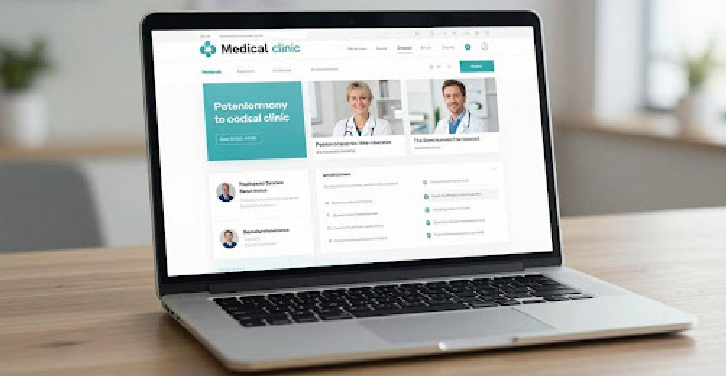
So, you’ve got your medical practice, and you’re thinking about getting a website. That’s a smart move. But not all websites are created equal, especially when it comes to healthcare. A truly effective site does more than just look pretty; it needs to work hard for you and your patients. It’s about making things easy for people looking for care and building that all-important trust.
Your website is like your digital front door. It should immediately tell people who you are and what you stand for. Think about your clinic’s personality – are you modern and tech-focused, or warm and community-oriented? Your branding should reflect that. This means using consistent colors, fonts, and imagery that align with your practice’s identity. It helps patients feel a connection and recognize your practice instantly.
This is a big one, and honestly, non-negotiable. When you’re dealing with patient information, you absolutely have to be compliant with HIPAA (Health Insurance Portability and Accountability Act). This isn’t just about avoiding fines; it’s about protecting your patients’ privacy. Any forms, patient portals, or data collection on your site needs to be secure and meet these strict standards. It shows you take patient confidentiality seriously.
Nobody likes waiting for a website to load. If your site is slow, people will just leave, probably to check out a competitor. We’re talking about seconds here. Also, how easy is it for someone to find what they’re looking for? A confusing menu or buried contact information is a recipe for frustration. Your website should guide visitors smoothly, whether they’re trying to book an appointment or find directions.
Here are a few things that make a medical website easy to use:
A website that’s slow or hard to use can make a patient question the quality of care they might receive. It’s a direct reflection of your practice’s attention to detail and patient focus. Making these elements right is a solid step towards a better online presence and more satisfied visitors. You can explore some great examples of healthcare website designs to get a feel for what works well.

When it comes to your medical practice’s online presence, a one-size-fits-all approach just doesn’t cut it. Custom web development means building a website from the ground up, specifically tailored to your clinic’s unique needs and goals. This isn’t just about looks; it’s about functionality that directly supports patient care and practice management. Think about features like integrated patient portals for secure communication and appointment scheduling, or custom forms that streamline intake processes before a patient even walks through the door. This level of personalization ensures your website works as hard as your staff does. It means avoiding the limitations of generic templates and creating a digital experience that truly reflects your practice’s brand and values.
WordPress has become a go-to platform for many businesses, and for good reason. Its flexibility makes it a strong contender for medical websites. You get access to a vast library of themes and plugins that can be customized to fit your practice’s aesthetic and functional requirements. For instance, you can find plugins for appointment booking, patient testimonials, and even secure contact forms. The platform is also known for its user-friendly interface, which can make it easier for your staff to update content, post news, or add new service information without needing a developer on standby for every minor change. It strikes a good balance between customizability and ease of use.
Your website’s performance hinges significantly on where it lives online – its hosting. For a medical practice, reliability and speed are non-negotiable. Patients need to access information quickly, especially in urgent situations. Choosing a hosting provider that specializes in healthcare websites often means they understand the importance of uptime and security. Look for features like:
Choosing the right hosting is like picking a solid foundation for a building. If it’s weak, everything else can suffer, leading to slow load times, frequent downtime, and frustrated visitors. For a medical practice, this can mean lost patient appointments and a damaged reputation.
So, you’ve decided to get a new website for your medical practice, or maybe update the one you have. That’s a big step, and honestly, it can feel a bit overwhelming. There are so many companies out there that say they can build websites, but not all of them really get what it means to create a site for a healthcare provider. It’s not just about making things look pretty; it’s about building trust, making it easy for patients to find what they need, and making sure everything is secure and compliant. Finding the right development partner is key to making sure your website actually helps your practice grow.
When you’re looking for someone to build your medical website, you really want to find a team that has done this before, specifically for healthcare. They need to understand the unique needs of clinics and doctors. This means knowing about things like patient privacy (HIPAA, of course), how to present medical information clearly, and what kind of features patients actually look for when searching for care online. A general web designer might not know the difference between a “contact us” page and a “request an appointment” page that needs to collect specific patient details safely.
Your website isn’t a one-and-done project. Your practice will change, new services will be added, and technology keeps moving forward. You need a partner who can grow with you. Think about what happens after the site launches. Will they be there to help with updates, security patches, and adding new features? Can the website handle more traffic if your practice gets busier? It’s good to ask about their support plans and how they build sites that can be expanded later on without a complete rebuild.
What’s the point of a great-looking website if no one can find it? A good development partner will have a solid grasp of Search Engine Optimization (SEO), especially for local searches. They should know how to make your site visible to people in your area looking for the services you provide. Beyond just getting found, they should also understand how to turn website visitors into actual patients. This involves clear calls to action, easy appointment booking processes, and a user experience that encourages people to take the next step.
Building a medical website is more than just coding and design; it’s about creating a digital front door for your practice that patients can trust and easily use. The right partner understands this balance.
So, building a good website for your medical practice isn’t just about looking nice online. It’s about making it easy for patients to find you, understand what you offer, and book appointments without a hassle. Think of it as your digital front door – it needs to be welcoming, informative, and work well on any device. Getting this right means more patients find you, trust you, and ultimately choose your practice. It’s a smart investment that helps your clinic run smoother and grow.
It’s like building a special online home for doctors’ offices and clinics. This website is made to help patients find information easily, learn about the services offered, and feel confident about choosing that healthcare provider. It’s designed to be clear, trustworthy, and simple to use.
Think of your website as your digital front door. Many people look for doctors online first. A professional and easy-to-use website helps you make a great first impression, shows you’re a reliable place for care, and makes it simple for patients to book appointments or find the help they need. It’s a key way to grow your practice.
Absolutely! Most people check websites on their phones these days. If your website doesn’t look good or work well on a smaller screen, people might leave and find a different doctor. Making sure it’s mobile-friendly is super important so everyone can access it easily.
A well-designed website that’s built with search engines in mind can help your clinic show up higher in search results when people look for doctors or health services in your area. This means more potential patients will see your practice and visit your site, which can lead to more appointments.
Trust comes from a few things. A clean, professional look, clear information about doctors and services, easy-to-find contact details, and making sure the website is secure all build trust. Showing you care about patient privacy and providing helpful resources also makes a big difference.
Many modern medical websites are built using systems like WordPress, which are designed to be user-friendly. This means you or your staff can often update information, add blog posts, or change details without needing a web designer for every little thing. Some services even offer quick updates for you.
© Copyright 2026 F5 Buddy Pvt. Ltd.. All Rights Reserved
 Career
 Woo-Commerce
